

Blog
A Beginner’s Guide to Laboratory Glassware and Equipment

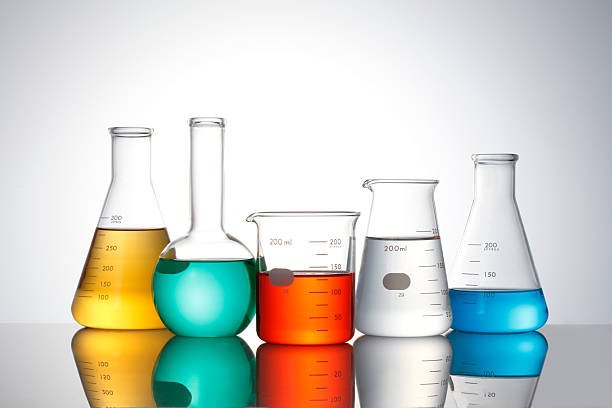
Working in a laboratory requires understanding both glassware and equipment. Each item serves a specific purpose, and proper handling ensures accurate results and safety. Beginners often feel confused around so many tools. Still, simple habits can make lab work easier and more effective.
Laboratory Glassware
-
Beakers hold liquids for mixing, measuring, or heating. They have graduated markings to show approximate volumes.
-
Flasks such as Erlenmeyer and volumetric flasks safely store and measure liquids.
- Erlenmeyer flasks have narrow necks to reduce spills.
- Volumetric flasks measure precise amounts of solutions.
- Round-bottom flasks help heat liquids evenly.
-
Test tubes handle small samples and fit into racks to prevent tipping. They are perfect for reactions, heating, or storing samples.
-
Pipettes transfer small amounts of liquids.
-
Burettes allow accurate measurements during titrations.
-
Graduated cylinders measure liquid volumes more precisely than beakers. Reading the bottom of the meniscus at eye level ensures correct measurement.
Laboratory Equipment
- Bunsen burners provide heat through adjustable flames and must never be left unattended.
- Microscopes magnify small objects; users must handle slides carefully to prevent damage.
- Balances measure mass accurately; digital balances are easy to read. Always centre objects and avoid drafts for precise readings.
- Hot plates heat liquids safely without an open flame.
- Magnetic stirrers mix solutions automatically.
- Fume hoods protect users from harmful vapours, and proper ventilation keeps the lab air clean.
Safety in Handling Glassware
- Glass breaks easily, so handle with care.
- Avoid sudden temperature changes.
- Use gloves or tongs for hot containers.
- Inspect glassware for cracks before use.
- Place broken glass in a designated bin to prevent injuries.
Cleaning and Maintenance
- Rinse glassware after each experiment.
- Scrub with brushes and detergent.
- Dry completely before storing.
Organisation in the Laboratory
- Store glassware on racks or shelves.
- Separate chemicals by type.
- Keep frequently used equipment within easy reach.
- Labs in hot climates may need extra ventilation.
- Cold regions require careful handling to prevent liquids from freezing.
- Smaller or rural labs often rely on shared equipment, making cleanliness and organisation even more critical.
Personal Safety
- Always wear gloves, goggles, and a lab coat.
- Avoid eating or drinking in the lab.
- Clearly label all chemicals and solutions.
- Learn first-aid steps for burns, cuts, or chemical exposure.
- Simple habits, such as washing hands after experiments and working carefully with glassware, can prevent accidents.
FAQs
What is the difference between a beaker and a flask?
Beakers are open and easy to pour. Flasks have narrow necks to reduce spills and keep liquids safely contained.
How do I clean laboratory glassware?
Rinse with water first. Use a brush and detergent. Rinse again and dry before storing.
Which equipment is best for safely heating liquids?
Hot plates and Bunsen burners provide heat. Hot plates avoid open flames, while Bunsen burners allow precise flame control.
How should I store fragile glassware?
Use racks, shelves, or padded storage. Keep away from edges. Do not stack heavy items on fragile glass.
Can I use the same pipette for different chemicals?
No. Use separate pipettes or clean thoroughly between chemicals to prevent contamination.