

Blog
Safety from Harmful Substances in Textiles

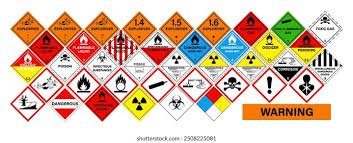
Textiles touch human skin every day. Clothes, bedsheets, towels, and curtains all come from textile processing. Many chemical substances support fabric production. Some chemicals create health risks without proper control. Awareness helps protect consumers, workers, and the environment.
The textile industry plays a major role in countries like Bangladesh. Garment factories supply clothing to global markets. Safe textile practices support long-term growth and public health.
Harmful Substances Found in Textiles
Some chemicals used in textiles may cause skin irritation or long-term health issues. Formaldehyde appears in wrinkle-resistant fabrics. This substance may cause skin redness and breathing discomfort.
Azo dyes sometimes release harmful amines. These dyes appear in low-quality fabrics. Heavy metals such as lead and cadmium may remain in dyes and pigments. Long exposure may harm organs.
Phthalates appear in printed designs and synthetic materials. These chemicals may affect hormone balance. Proper testing helps reduce risk.
Health Risks from Unsafe Textiles
Skin contact creates the first level of exposure. Rashes, itching, and allergies may develop after wearing unsafe fabric. Children and babies face higher risk due to sensitive skin.
Breathing issues may occur for factory workers. Chemical fumes may irritate lungs and eyes. Long-term exposure may lead to serious illness.
Poor quality control increases health risk. Safe handling and strict monitoring reduce these dangers.
Safety Standards in the Textile Industry
International safety standards guide textile production. OEKO-TEX Standard 100 tests harmful substances in fabrics. REACH regulations control chemical use in European markets.
Bangladesh garment factories follow buyer compliance rules. Global brands demand chemical safety certification. Factory audits help improve safety levels.
Government agencies support workplace safety through labor laws and inspections.
How Textile Workers Stay Safe
Protective equipment reduces chemical exposure. Gloves, masks, and safety glasses protect skin and lungs. Training programs teach correct chemical handling.
Ventilation systems remove harmful fumes. Clean workspaces support better health. Emergency showers and eye wash stations improve factory safety.
Factory management plays a key role in safety culture. Regular health checks protect workers.
Safe Textile Practices for Consumers
Fabric labels offer important information. Natural fibers such as cotton and linen contain fewer chemical treatments. Organic fabrics reduce exposure to harmful substances.
Washing new clothes before use removes chemical residue. Mild detergents protect skin health. Avoiding strong fragrances helps sensitive users.
Certification labels help buyers make safer choices. OEKO-TEX certified products meet safety limits.
Environmental Impact of Textile Chemicals
Textile wastewater may contain harmful substances. Rivers and soil suffer from untreated discharge. Wastewater treatment plants reduce pollution.
Eco-friendly dyes and enzymes support cleaner production. Many factories in Dhaka and Gazipur invest in green technology.
Sustainable practices protect both people and nature.
Role of Testing and Quality Control
Laboratory testing detects harmful substances. Chemical limits ensure fabric safety. Quality control teams inspect each production stage.
Export-oriented factories follow strict buyer requirements. Local markets also benefit from improved safety awareness.
Testing supports trust between manufacturers and consumers.
Government and Industry Responsibility
Regulatory bodies set chemical safety rules. Industry associations promote best practices. Training programs raise awareness among factory owners.
Consumer education also matters. Knowledge leads to better choices and demand for safe textiles.
Shared responsibility builds a healthier textile industry.
Future of Textile Safety
Innovation supports safer alternatives. Plant-based dyes reduce chemical load. Water-saving technologies improve sustainability.
Global demand for safe clothing continues to rise. Bangladesh textile sector adapts to these changes through compliance and innovation.
Safety creates long-term value for people and business.
FAQs
What harmful substances appear in textiles in Bangladesh?
Some textiles may contain formaldehyde, azo dyes, heavy metals, and phthalates if factories do not follow safety standards.
How can consumers in Bangladesh choose safe clothing?
Consumers can check fabric labels, choose natural fibers, wash new clothes before use, and look for OEKO-TEX certification.
Do garment workers face health risks from textile chemicals?
Workers may face risks without protective equipment. Proper training and safety measures reduce exposure in Bangladesh factories.
What standards control textile chemical safety?
International standards such as OEKO-TEX and REACH guide chemical safety for textile exports and local markets.
How do Bangladesh factories reduce textile chemical pollution?
Factories use wastewater treatment plants, eco-friendly chemicals, and regular testing to protect environment and public health.