

Blog
Top Fertilizers Used by Bangladeshi Farmers

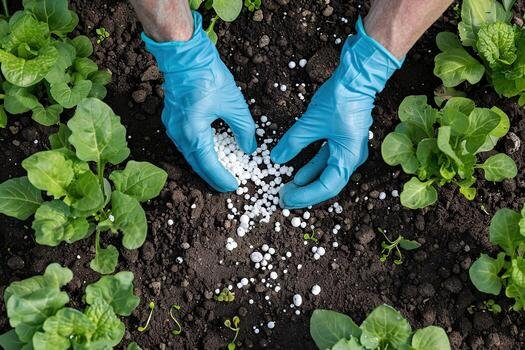
Agriculture plays a major role in the economy of Bangladesh. Millions of farmers depend on crop production for their daily income and food security. Rice, wheat, maize, vegetables, and jute grow in different regions of the country. Soil provides natural nutrients, but continuous farming reduces soil fertility. Farmers use fertilizers to replace lost nutrients and maintain good crop yield. Proper fertilizer use helps farmers grow healthy crops and improve their income.
Importance of Fertilizers in Bangladesh Agriculture
Farmers grow crops two or three times a year on the same land. This practice removes nitrogen, phosphorus, potassium, and other nutrients from the soil. Crops become weak and produce less food without these elements. Fertilizers supply essential nutrients that plants need for growth. Balanced fertilizer use increases production and supports national food demand. Agricultural experts encourage farmers to apply fertilizers in the right amount and at the right time.
Urea Fertilizer in Bangladesh
Urea stands as the most popular fertilizer in Bangladesh. It contains a high percentage of nitrogen, which helps plants develop green leaves and strong stems. Rice farmers in Rajshahi and Mymensingh rely heavily on urea for paddy cultivation. Farmers usually apply urea in split doses during crop growth. This method improves absorption and reduces nutrient loss. Proper use of urea increases grain production and improves plant health.
Triple Super Phosphate (TSP) Use
Triple Super Phosphate, commonly known as TSP, provides phosphorus to crops. Phosphorus supports strong root development and early plant growth. Farmers mix TSP into the soil before planting seeds. Potato farmers in Bogura use TSP widely because healthy roots lead to better tuber formation. TSP also supports vegetable farming and wheat production. Strong root systems help plants absorb water and nutrients more effectively.
Diammonium Phosphate (DAP) Application
Diammonium Phosphate, or DAP, contains both nitrogen and phosphorus. Farmers prefer DAP because it supplies two important nutrients at the same time. Maize farmers in Dinajpur often apply DAP to improve early plant growth. DAP supports seed germination and root strength. Correct dosage remains very important, as excess fertilizer can disturb soil balance and reduce long-term fertility.
Muriate of Potash (MOP) for Crop Strength
Muriate of Potash, known as MOP, supplies potassium to crops. Potassium improves plant resistance against disease and extreme weather. Rice, sugarcane, and vegetable farmers apply MOP to improve crop quality and grain filling. Potassium strengthens plant tissues and supports better water management inside the plant. Weather changes frequently in Bangladesh, so potassium helps crops tolerate stress conditions.
Gypsum and Sulfur Fertilizer
Gypsum provides sulfur and calcium to the soil. Sulfur plays an important role in protein formation and improves crop quality. Mustard and lentil farmers apply gypsum to increase oil content and yield. Farmers in Faridpur use gypsum in oilseed cultivation. Balanced sulfur nutrition improves seed development and plant growth.
Zinc Fertilizer in Paddy Fields
Zinc acts as a micronutrient that plants need in small amounts. Many paddy fields in Bangladesh show zinc deficiency symptoms such as yellow leaves. Farmers apply zinc sulfate to solve this problem. Zinc improves grain size and overall plant health. Agricultural extension services promote zinc fertilizer use to increase rice productivity.
Role of Organic Fertilizers
Organic fertilizers remain important in rural farming systems. Cow dung, compost, and poultry manure improve soil structure and water retention. Farmers mix organic manure into the soil before planting. Organic matter increases microbial activity and supports long-term soil fertility. Many small farmers continue to use traditional organic methods along with chemical fertilizers.
Government Support and Fertilizer Management
The government of Bangladesh provides subsidies to keep fertilizer prices affordable. Agricultural officers train farmers on balanced fertilizer use and soil testing. Research centers in Gazipur promote improved nutrient management practices. Proper planning and correct fertilizer application increase crop production and protect soil health.
Balanced Fertilization for Sustainable Farming
Farmers need a balanced combination of nitrogen, phosphorus, potassium, sulfur, and micronutrients for best results. Overuse of one fertilizer can harm soil health. Soil testing helps farmers understand nutrient needs. Integrated nutrient management combines organic and chemical fertilizers for sustainable farming. Smart fertilizer use supports food security and strengthens agriculture in Bangladesh.