

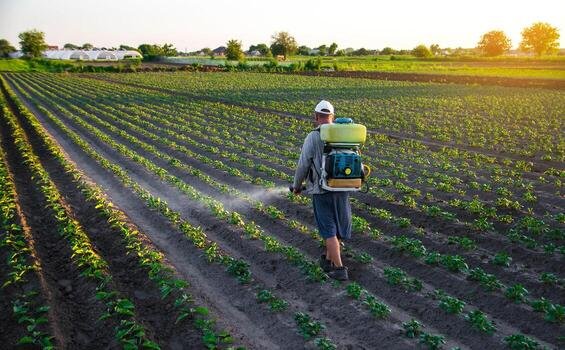
Agriculture supports the economy of Bangladesh. Millions of farmers grow rice, vegetables, fruits, wheat, and jute every year. Farmers work hard in the field, but pests often damage crops. Insects, weeds, and plant diseases reduce yield and income. Pesticides help farmers protect crops and increase production.
Importance of Pesticides in Bangladesh Agriculture
Farmers in Bangladesh grow crops in different seasons. Warm weather and high humidity create a good environment for insects and plant diseases. Brown planthopper, stem borer, aphids, and leaf blight cause serious crop loss. Farmers use pesticides to control these problems. Proper pesticide use helps protect plants and improve crop yield. Correct timing and correct dosage remain very important for safe farming.
Types of Pesticides Used in Bangladesh
Farmers use different types of pesticides based on crop needs. Each type controls a specific problem.
Insecticides
Insecticides control harmful insects. Rice farmers often fight against stem borer and brown planthopper. Vegetable farmers deal with aphids and fruit flies.
Common insecticides include:
-
Imidacloprid
-
Cypermethrin
-
Chlorpyrifos
Farmers in Mymensingh use insecticides widely in paddy fields. Proper spraying protects crops from heavy insect attack.
Herbicides
Herbicides control unwanted weeds. Weeds compete with crops for water, sunlight, and nutrients. Farmers apply herbicides to keep fields clean.
Glyphosate and pretilachlor are common herbicides in rice farming. Farmers in Rajshahi use herbicides to reduce manual labor costs.
Clean fields improve crop growth and increase harvest.
Fungicides
Fungicides control fungal diseases. High rainfall in Bangladesh increases fungal infection risk. Rice blast, leaf spot, and late blight affect many crops.
Common fungicides include:
-
Mancozeb
-
Carbendazim
-
Metalaxyl
Potato farmers in Bogura use fungicides to protect crops from late blight. Healthy leaves support better yield.
Rodenticides
Rats damage rice fields and stored grains. Farmers use rodenticides to control rat populations. This step protects crops during both growing and storage periods.
Safe Use of Pesticides
Farmers must use pesticides carefully. Wrong use can harm crops, soil, water, and human health. Agricultural officers teach farmers safe spraying methods.
Important safety steps include:
-
Read label instructions
-
Use correct dose
-
Wear protective clothing
-
Avoid spraying during strong wind
-
Wash hands after spraying
Farmers in Gazipur attend training programs on safe pesticide management. Education helps reduce health risks.
Government Control and Regulation
The government of Bangladesh regulates pesticide sales and use. The Ministry of Agriculture monitors pesticide quality and approves safe products.
Authorized dealers sell registered pesticides. This system helps prevent fake and harmful chemicals in the market. Extension officers guide farmers on modern pest control methods.
Integrated Pest Management (IPM)
Integrated Pest Management, known as IPM, reduces heavy dependence on chemicals. Farmers combine biological control, crop rotation, and careful monitoring with limited pesticide use.
IPM includes:
-
Using pest-resistant crop varieties
-
Releasing beneficial insects
-
Observing pest levels before spraying
Farmers in Dinajpur practice IPM in rice and maize farming. This method protects the environment and reduces production cost.
Challenges in Pesticide Use
Farmers face several challenges in pesticide management:
-
High product cost
-
Lack of proper knowledge
-
Fake pesticides in local markets
-
Health risks from overuse
Some farmers apply more chemicals than needed. This practice creates soil problems and pest resistance. Education and awareness remain key solutions.
Future of Pest Control in Bangladesh
Agricultural experts promote balanced and safe pesticide use. Research centers develop eco-friendly solutions. Organic farming also grows slowly in different regions.
Technology supports farmers with mobile advice services and weather updates. Smart pest management improves crop yield and protects public health. Strong planning and careful pesticide use will support sustainable farming in Bangladesh.
FAQs About Pesticides in Bangladesh
Which pesticides do rice farmers use in Bangladesh?
Rice farmers in Mymensingh and Rajshahi often use insecticides like imidacloprid and cypermethrin. They also use herbicides such as pretilachlor to control weeds.
Where can farmers buy approved pesticides in Bangladesh?
Farmers can buy approved pesticides from licensed dealers under the supervision of the Ministry of Agriculture in Bangladesh. Local agricultural offices provide guidance.
Why do potato farmers in Bogura use fungicides?
Potato farmers in Bogura use fungicides like mancozeb to protect crops from late blight disease. Fungicides help maintain leaf health and increase yield.
How does IPM help farmers in Dinajpur?
Farmers in Dinajpur use Integrated Pest Management to reduce chemical use. IPM combines biological control and careful monitoring to manage pests safely.
Is pesticide use safe for farmers in Bangladesh?
Farmers in Bangladesh can use pesticides safely if they follow label instructions, wear protective gear, and apply correct doses. Training programs improve safe handling practices.